 Plumbing


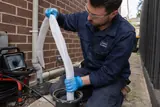
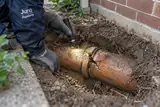
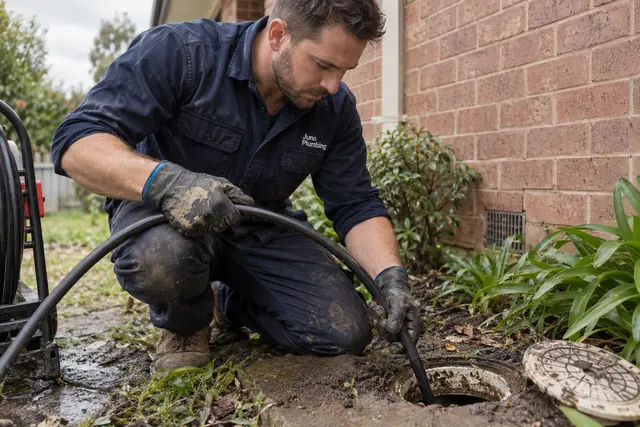 Blocked drains
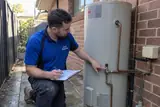
 Hot water repairs
 Water leak detection
 Toilet repairs
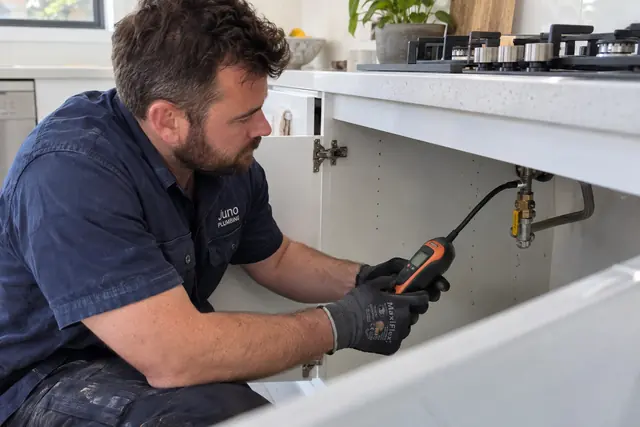 Gas leak investigation
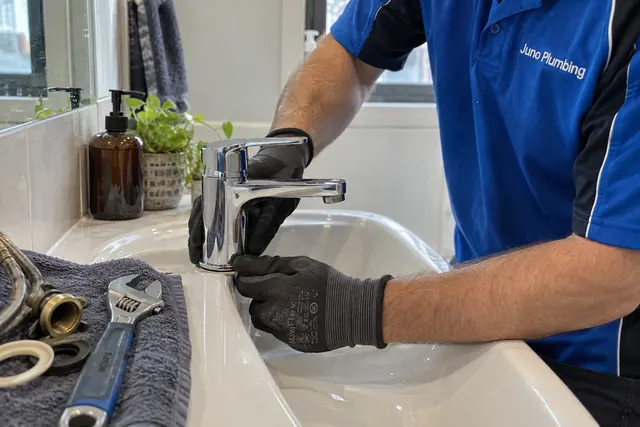 General plumbing
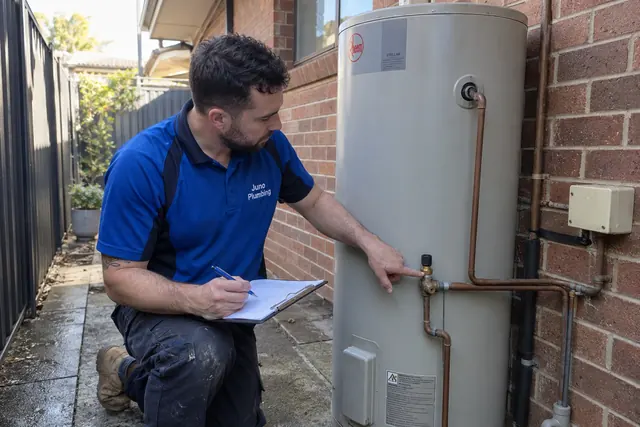
No hot water: prepare for a repair or replacement assessment
Gather the information a qualified technician needs, understand the decision points and compare the complete scope before choosing a new system.
Describe the loss of hot water precisely
“No hot water” can mean several experiences: every outlet is cold, only one shower is affected, the temperature fluctuates, or the supply runs out sooner than it used to. Describe the pattern you have already noticed without repeatedly testing a potentially unsafe appliance.
Write down when the change began and whether it followed a power interruption, work at the property or a change in household use. Those details help the person arranging the visit decide what needs investigation; they are not a diagnosis by themselves.
- Are all hot-water outlets affected or only one?
- Is the change constant or intermittent?
- Is there a visible leak or a displayed error code?
Know when to use an urgent safety channel
If you smell gas, keep people away and contact the gas distributor using the emergency number on your bill. Energy Safe Victoria advises avoiding electrical switches and devices around a suspected leak. Use a phone from a safe location. An online service request is not the right way to obtain emergency gas assistance.
Do not remove appliance covers or attempt electrical or gas repairs. Leave that work to appropriately qualified tradespeople. If there is immediate danger to life, call 000.
- Do not investigate an appliance by opening its casing.
- Do not keep restarting a system that appears unsafe.
- Tell the urgent contact about visible leaks, gas smells or electrical hazards.
Sources: Energy Safe Victoria: gas emergencies, Energy Safe Victoria: working with tradespeople
Gather the appliance information safely
If the label is visible from a normal, safe position, record the brand, model and serial number or take a clear photograph. Note the energy type if you know it: gas, electric storage, heat pump or solar with a booster. Leave unknown fields blank rather than guessing.
Rheem’s Australian guidance directs owners to the correct model’s manual and asks for model details when arranging service. Follow the owner instructions for your actual appliance; a reset sequence or fault-code explanation for a different model may not apply.
- Find the installation invoice and any warranty paperwork.
- Record an error code exactly, including letters and flashing patterns.
- Mention whether the equipment is on a roof, in a cupboard or outside.
Sources: Rheem Australia: hot water troubleshooting and owner guidance
Ask what supports the repair recommendation
Ask the technician to identify the fault, the proposed part or work and any other condition affecting the recommendation. If repair and replacement are both reasonable options, request separate scopes so you can compare them without losing sight of the immediate problem.
Useful questions include whether parts can be obtained, what a repair would cover and what remains uncertain. Do not assume that age alone proves a unit must be replaced, or that a cheap part alone makes a repair economical once the full work is considered.
- What did the assessment establish?
- What is included in the repair and what remains outside it?
- What happens if the proposed work does not resolve the diagnosed fault?
Compare the complete replacement scope
A replacement proposal should describe the system and the work needed at your property. Ask about removal of the old unit, access, plumbing connections, electrical or gas work, controls, commissioning and any applicable documentation. A headline appliance price is not the same as the cost of a completed installation.
Discuss your household’s hot-water use and the available installation space. If a different energy type is proposed, ask the provider to set out the site checks and additional trades involved. Confirm any rebate or incentive through its current official rules rather than relying on an assumed saving.
- Confirm the exact model and capacity being proposed.
- Check disposal, connections and making good are addressed.
- Ask about installation timing and any expected interruption.
If you rent, notify the rental provider
Consumer Affairs Victoria lists a failure of an essential hot-water service among urgent rental repairs. Notify your rental provider or property manager promptly and follow the current urgent-repair process; keep a record of the contact and response.
For a HireJuno trade enquiry, include your authority to arrange the visit, the appliance details and the symptoms. Provider availability, investigation scope and pricing need confirmation before a booking is made.
- Keep your property manager’s urgent contact details available.
- Identify who will approve the work and receive the quote.
- Do not treat an enquiry reference as confirmed attendance.
Sources: Consumer Affairs Victoria: repairs in rental properties
