 Plumbing

 Blocked drains
 Hot water repairs
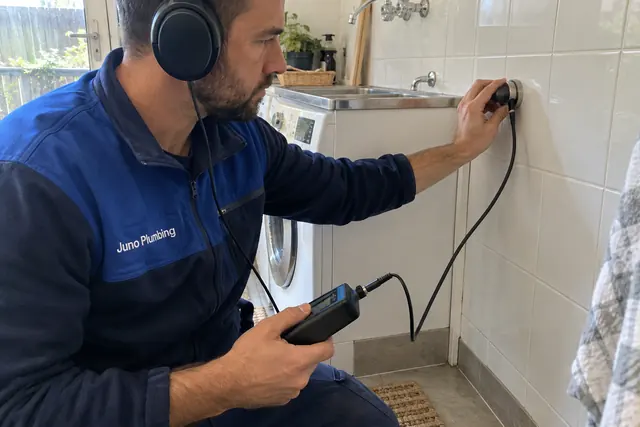 Water leak detection
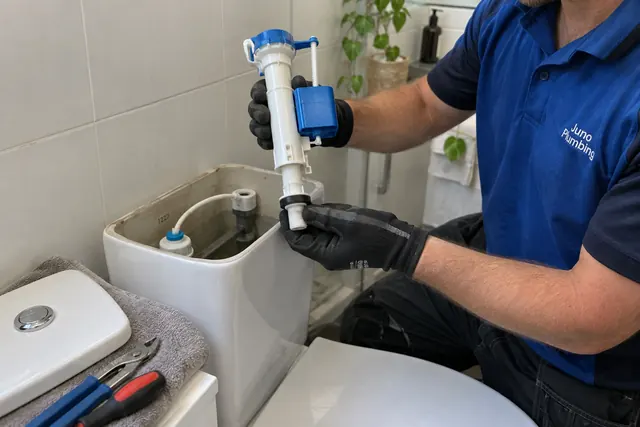 Toilet repairs
 Gas leak investigation
 General plumbing
Drain clearing, a camera inspection or a repair: which question comes first?
Understand the different jobs behind drainage equipment and repair proposals, so you can ask for evidence and approve a sensible next step.
Separate the immediate problem from the lasting solution
A drainage visit may have more than one objective. Restoring flow addresses the immediate interruption. Finding why the interruption happened helps decide whether monitoring, maintenance or repair should follow. These objectives can be part of the same visit, but they should be clear in the agreed scope.
Ask the plumber to explain which question each proposed step will answer. “Can we make the fixture usable?” and “Is there a defect that needs repair?” are useful questions to keep separate when you are reviewing a recommendation.
- Write down the symptom and any history of repeat blockages.
- Ask what a successful first visit would achieve.
- Request approval points before additional investigation or repair.
Understand what clearing is being asked to achieve
“Drain clearing” describes an outcome, while jetting or mechanical equipment describes a possible method. The plumber should select the method after considering the pipe, access and observed obstruction. Do not choose equipment purely because one description sounds more powerful.
Ask how they will check the result and explain any limit to the work. If the line becomes usable but a recurring defect is suspected, request a separate explanation of the evidence and proposed next step rather than treating temporary improvement as a complete diagnosis.
- Which section can be reached from the available access?
- How will the plumber assess whether flow has been restored?
- What finding would make them stop and recommend another approach?
Make a camera inspection useful
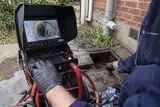
A camera report is most useful when you can tell what was inspected and where a finding sits. Ask for the access point, the inspected section, any part that could not be assessed and an explanation of the recording. A short clip without that context can leave you comparing different sections of the system.
South East Water describes using a robotic camera to assess whether a sewer main is suitable for relining before renewal and to inspect it afterwards. For a household repair, ask your plumber how they will establish suitability and document completion for your particular pipe.
- Ask whether footage, still images or a written report are included.
- Ask how the location of a proposed repair will be identified.
- Record any inspection limitations rather than assuming every pipe was checked.
Compare repair proposals over the same section
If relining, excavation or replacement is proposed, ask for a drawing or a clearly described start and end point. Compare the same length and connections. A proposal for one local defect cannot be compared fairly with a proposal for a much longer run.
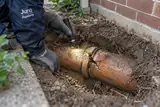
Ask what site work each option requires. The total scope may include access openings, excavation, removal of materials and reinstatement of paving or landscaping. Keep those items visible instead of assuming they are included in the repair line.
- Which finding supports the proposed repair?
- What other reasonable options were considered?
- Are connections, access work and surface reinstatement included?
- What completion checks and documentation will be supplied?
Check authority, qualifications and documentation
Confirm whether the affected line is privately owned, common property or a water corporation asset before authorising alterations. If a rental provider, owners corporation or insurer is involved, identify who must approve the work and which documents they need.
In Victoria, plumbing compliance certificates are required for specified work, including construction, installation or alteration of a below-ground sanitary drain. Ask the licensed plumber whether the proposed work requires one and who will provide it.
- Check the practitioner’s relevant plumbing class.
- Get the final scope and exclusions in writing.
- Keep the accepted quote, findings, invoice and applicable certificate together.
Sources: Building and Plumbing Commission: plumbing compliance certificates
Choose a service without committing to a repair
If you only know that a drain blocks repeatedly, a blocked-drain or inspection request is a reasonable starting description. You do not need to book pipe relining before someone has assessed the pipe. If you already have a recent report, describe it and make it available for review.
A HireJuno enquiry is an opportunity to set out the problem and discuss the scope. Any investigation, provider attendance and repair price must be agreed before the job is confirmed.
- Use the problem description if the cause is unknown.
- Mention any existing report and its date.
- Keep urgent overflow matters on a direct response channel.
