 Plumbing
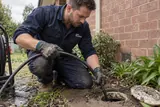

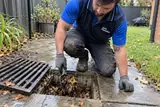
 Blocked drains
 Hot water repairs
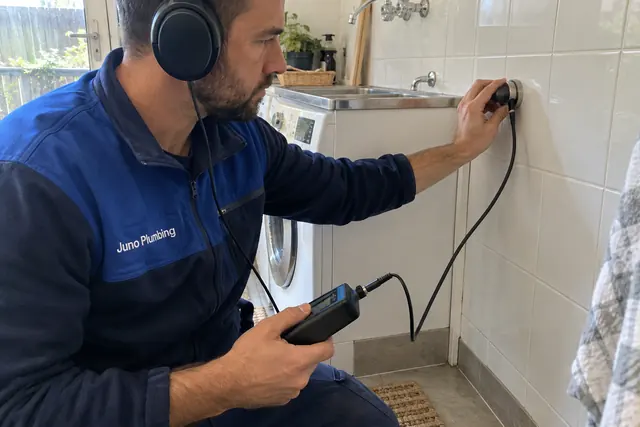 Water leak detection
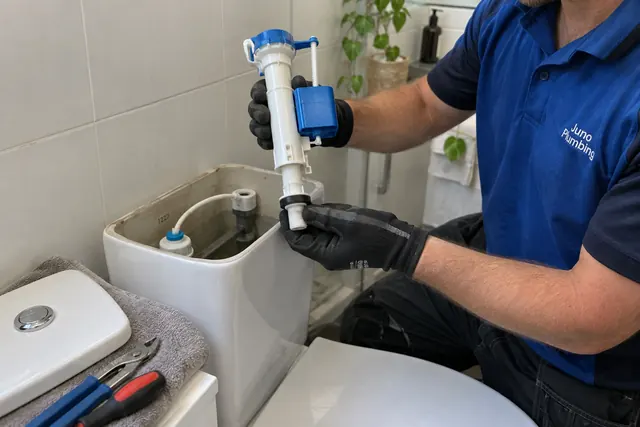 Toilet repairs
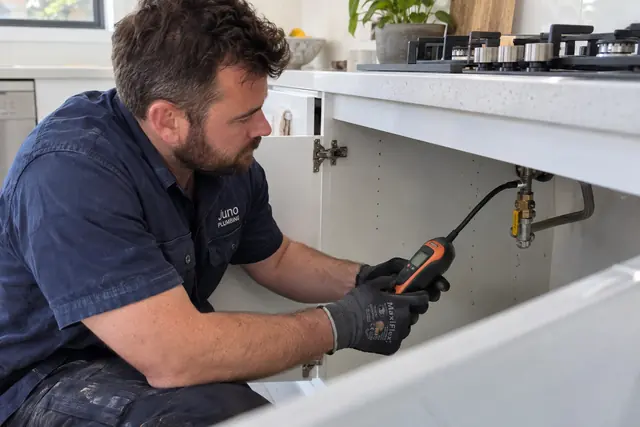 Gas leak investigation
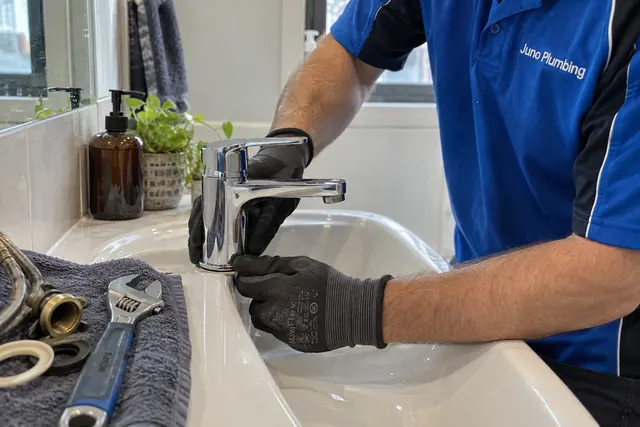 General plumbing
Blocked drain? What to tell your plumber before the visit
A useful description helps separate a slow fixture from a wider drainage problem. Here is what to record, what to leave alone and what to ask before work starts.
Start with the symptom, not a diagnosis
A shower that empties slowly, a toilet that rises when flushed and water pooling beside a garden grate are three different observations. Tell the plumber what you can see and where it happens. You do not need to decide that there are roots in the pipe or that the drain must be replaced.
A useful first message might be: “The downstairs shower has drained slowly since Sunday. The bathroom basin is also slow, but the kitchen seems normal. There is no visible overflow. Access is through a side gate.” This gives the person reviewing the job somewhere concrete to start.
- Name every affected fixture and its floor or room.
- Say when the issue began and whether it is constant or intermittent.
- Mention earlier callouts and how long any improvement lasted.
Treat overflowing sewage as an urgent problem
Keep people and pets away from sewage and avoid contact with the spill. Greater Western Water advises limiting water use while a sewer blockage is being dealt with, including avoiding toilet flushing and water-using appliances. An online quote request is not an emergency response channel.
Contact your water retailer’s faults team or an available licensed plumber for direction. Responsibility can depend on whether the blockage is in private plumbing or the water corporation’s network. A photo alone does not establish which party owns the affected pipe.
- Do not keep flushing to test whether the blockage has cleared.
- Do not open or enter a pit or manhole to investigate.
- Take photographs only from a safe, dry position.
Record what changed before the problem
The timing can help the plumber choose what to inspect. Note recent landscaping, renovation work, an appliance change or heavy rain. Describe a connection as a possibility rather than a conclusion: “We noticed this after the paving work” is more useful than asserting that the pavers broke a drain.
Tell the plumber about any product already poured into the drain, including its name if available. Do not add another chemical or combine products while waiting. They need to know what may be present before opening a trap or working on the line.
- Keep an earlier report, camera recording or invoice if you have one.
- Mention whether the same issue has affected neighbouring units.
- Note whether it happens with ordinary use or only during rain.
Explain access before equipment arrives
For a Melbourne apartment, the useful details may be the unit number, lift arrangements, building manager and parking restrictions. For a detached home, they may be a narrow side passage, a locked gate or where a known inspection opening sits.
Leave heavy covers, fixed fixtures and stored equipment alone. Share what is already visible and let the plumber decide which access is appropriate. If the pipe may serve common property, contact the owners corporation or property manager so access and authority to approve work are clear.
- Provide the full street address and a reachable contact.
- Mention stairs, gate width and parking limitations.
- Say who can authorise an investigation or a change in scope.
Agree on the investigation and its limits
Ask what the initial visit covers: assessment, an attempt to clear the line, a camera inspection or a separate written repair recommendation. Equipment names alone do not tell you what you will receive. Clarify what happens if access is unavailable or the first attempt cannot restore flow.
If further work is proposed, ask the plumber to explain the finding and the next decision. A staged approval can keep an investigation from quietly turning into a larger repair.
- Is the camera inspection included, optional or a later step?
- Will findings or footage be supplied?
- What extra work needs my approval before it starts?
Send a request with the right expectations
Choose the closest service, such as a blocked shower drain, blocked toilet or blocked sewer, and include the observations above. It is fine to say you are unsure which line is affected. The assessment should establish the problem.
HireJuno trade enquiries carry your selected service and location into a request for review. Submitting one does not confirm a callout or reserve emergency attendance; scope, provider availability and price still need agreement.
- Keep the reference so you can identify the request.
- Have earlier reports available for the provider.
- Use a direct urgent contact if the situation is worsening.
